Courses
University of Puerto Rico Mayagüez
Fundamentals of Aquaculture
CMOB 5007 · Spring 2026
Description: The purpose of this course is to introduce students to the field of aquaculture. We discuss the historic and current role of aquaculture today, focusing on how it is/can be a means of supplying health additions to diets in ways that are environmentally sustainable. Students will learn the fundamentals of aquaculture, discuss basic principles and review the diversity of culture systems and culturable species. We will also evaluate culture techniques and water quality management strategies across systems. Students will participate in live feed grow-out production (copepod, artemia, rotifer) and marine finfish propagation (larval snapper or grouper).
Learning Outcomes:
- Understand basic concepts, opportunities, and challenges of aquaculture, with examples from tropical systems
- Attain a broad understanding of the current state of aquaculture research and provide knowledge needed to contribute to future advances in the field.
- Critically assess current aquaculture practices from an interdisciplinary perspective, with the ability to constructively analyze both economic and environmental components across the broad range of aquaculture projects
- Each student will develop a proposal to culture one (or more) aquatic species, including species, system, and site selection in Puerto Rico, calculating potential ecosystem impacts and financial profits.
Ecology and the Management of Marine Resources
CMOB 5017 ·Fall 2025
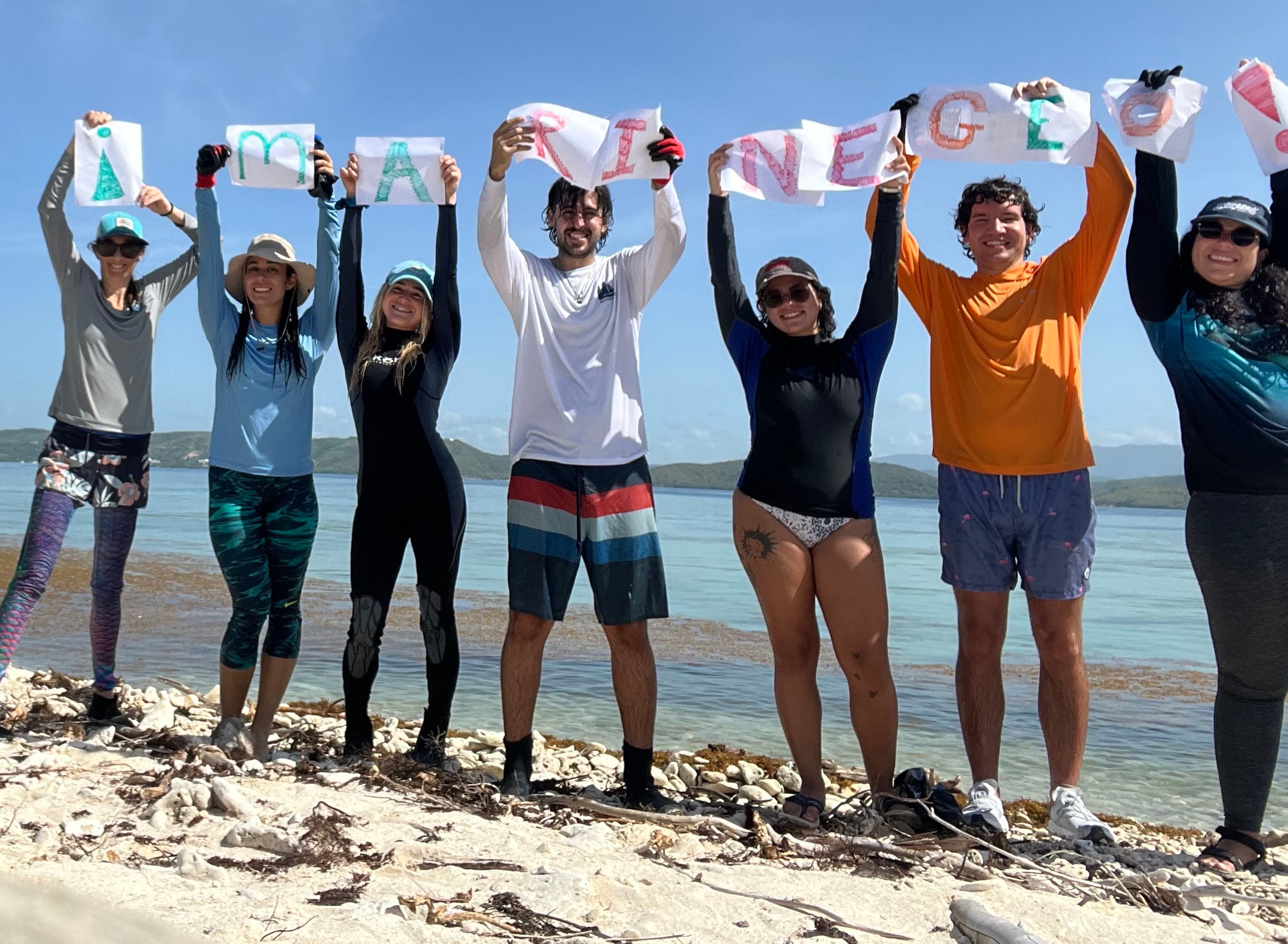
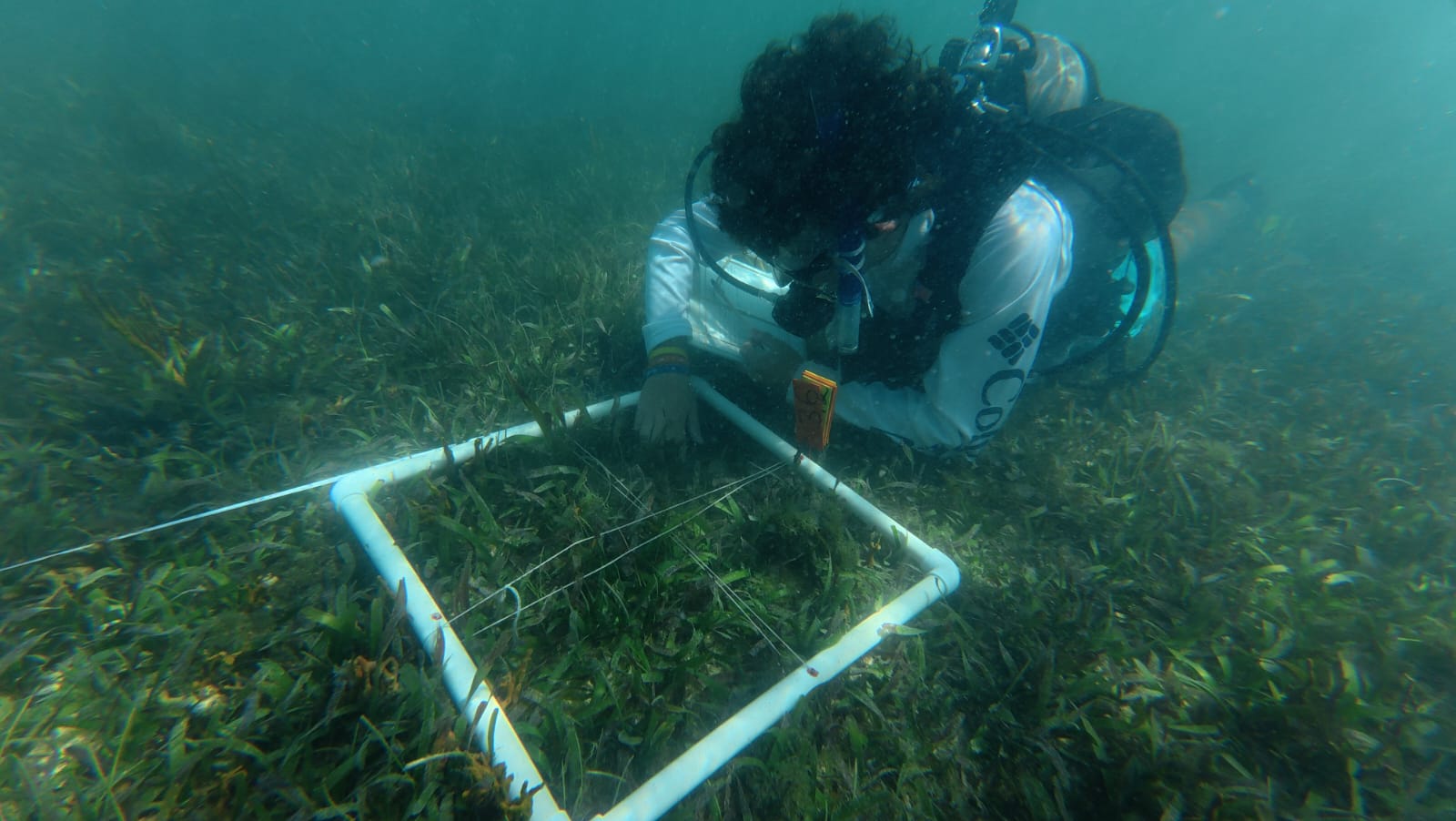
Description: This course provides an overview of the marine environment and familiarization with the major tropical marine communities; methods of data-gathering and biological sampling techniques in these communities; and an overview of human impacts on the marine environment from the standpoint of pollution, exploitation, protection, and regulation. The course is and will continue to be taught in collaboration with MarineGEO’s “Connecting Coastlines with Campuses Program.” 3C’s Program. Last year, fourteen classes from different Universities, ranging from Alaska to Uruguay, took part in the program. Here at UPRM, we participated in the Seagrass Biodiversity Surveys and the Ocean Travelor’s Protocol, and next year we will include Fouling communities. Through these protocols, we learn how to manage ecosystem services, invasive species, and pollution. Student projects involve comparing local data to that collected by others in different places and in different ecosystems.
Learning Outcomes:
Understand how standardized monitoring is the basis of natural resource management
Methods of managing ecosystem services: Seagrass in La Parguera Natural Reserve
Managing invasive species: Fouling communities
Managing ocean [plastic] pollution Ocean Travelers
Managing extractive resources, tragedy of the commons, RLS reef fish biodiversity assessments
Managing renewable resources, watersheds (mangroves)
Nature-based interventions - Culebra Oyster aquaculture Community fisheries
Princeton University
Tropical Marine Biodiversity in a Changing Ocean
EEB 349 · Spring 2025
Instructors: Curtis Deutsch, Noelle Lucey and Justin Penn
Teaching Assistants: Stavi Tennenbaum and Sebastian Michel-Mata
Description:
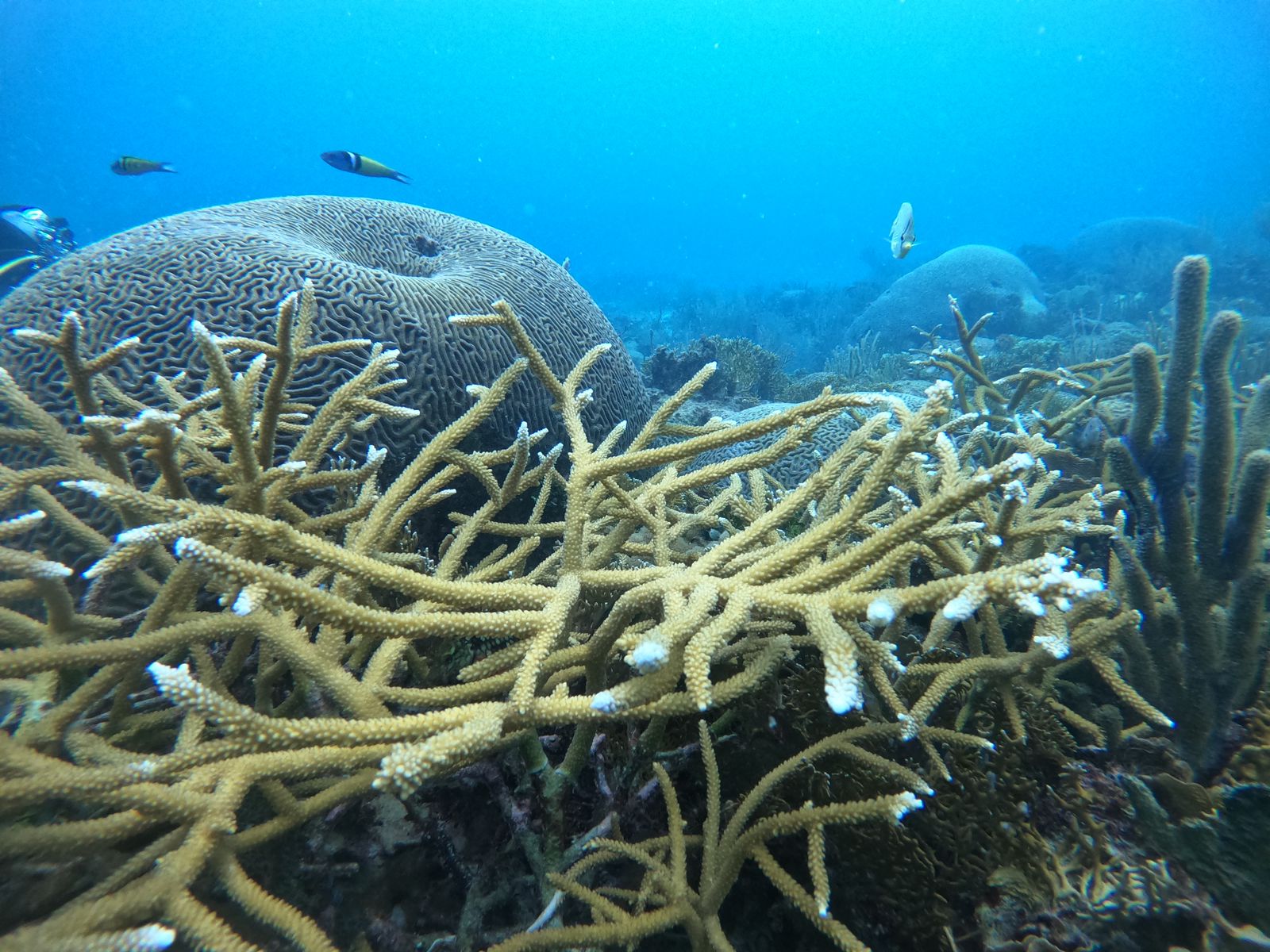
Field course based in Bocas del Toro for 3 weeks, provides an introduction to patterns of tropical marine biodiversity and their environmental causes. Anthropogenic influences have been impacting marine biodiversity in this tropical region for centuries. We will explore the reasons for the resulting patterns of biodiversity using tools from all the major science disciplines. Students will conduct group projects that contribute to the long-term data archives of environmental change in the region and the biological impacts arising from human land use, climate change, and marine exploitation.
Learning Objectives
- Describe and explain what biodiversity is, why it is important, and the threats it is facing today.
Describe and explain different conceptual and quantitative approaches used to mitigate those threats and address conservation problems.
Collect and analyze a variety of types of data relevant for biodiversity assessments and conservation.
Analyze conservation problems in a critical way: make judgments and reach a position on a conservation problem, drawing appropriate conclusions based on the available information, its implications and consequences.
Develop and use a model to test processes impacting and driving marine ecosystem